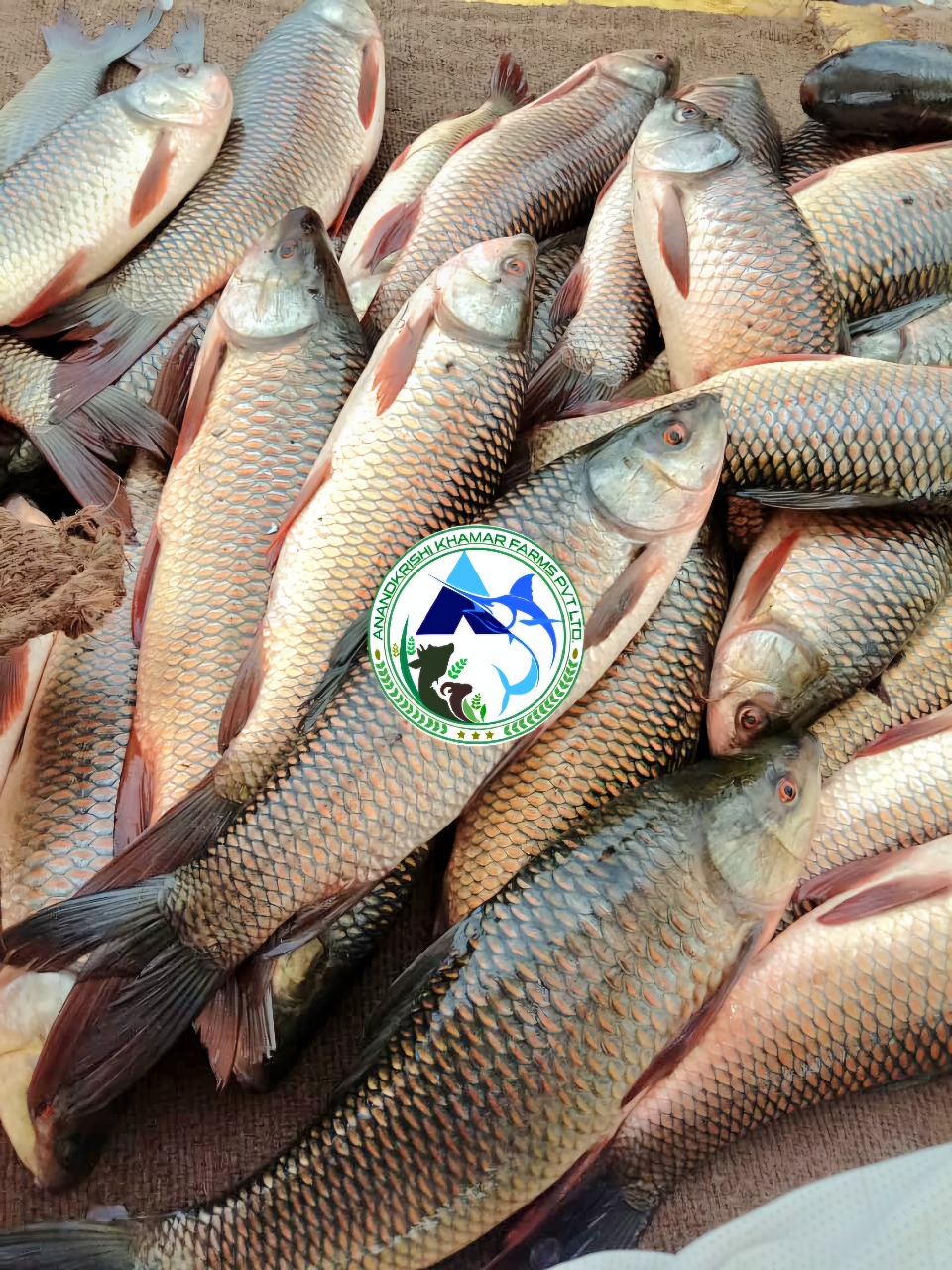
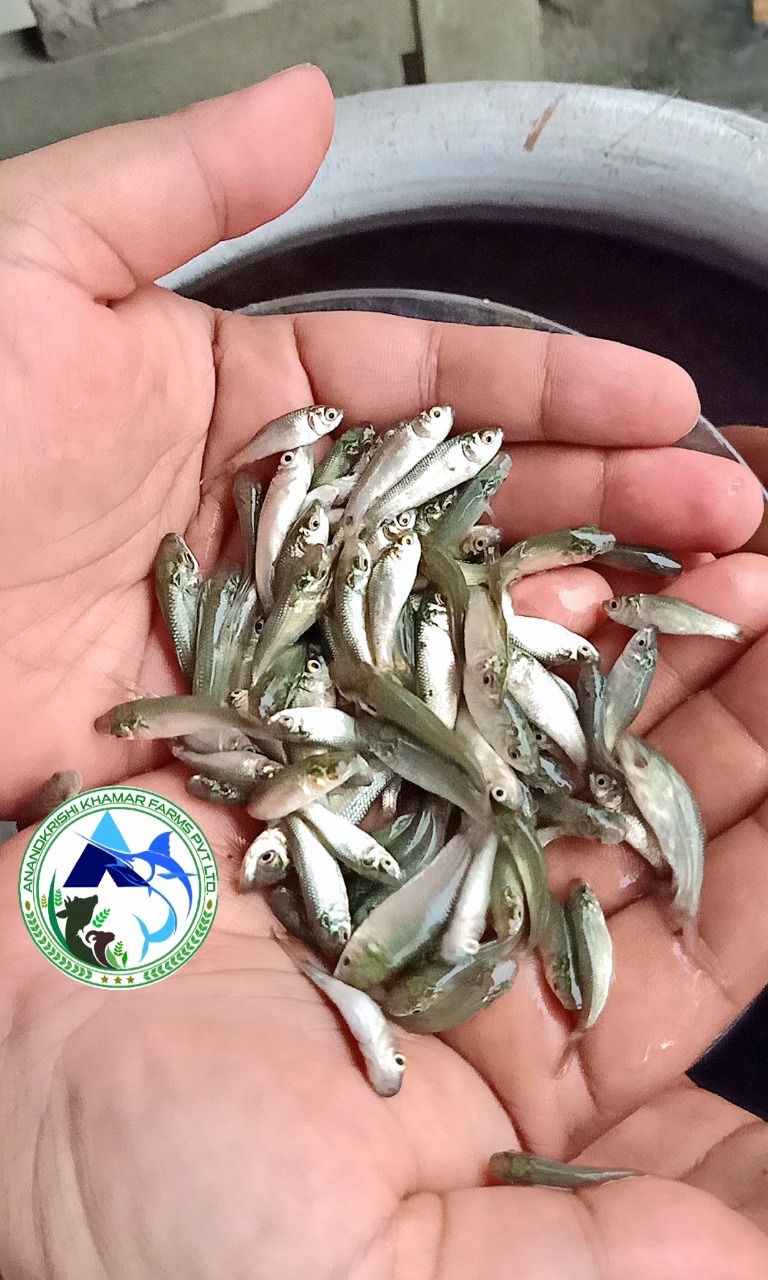
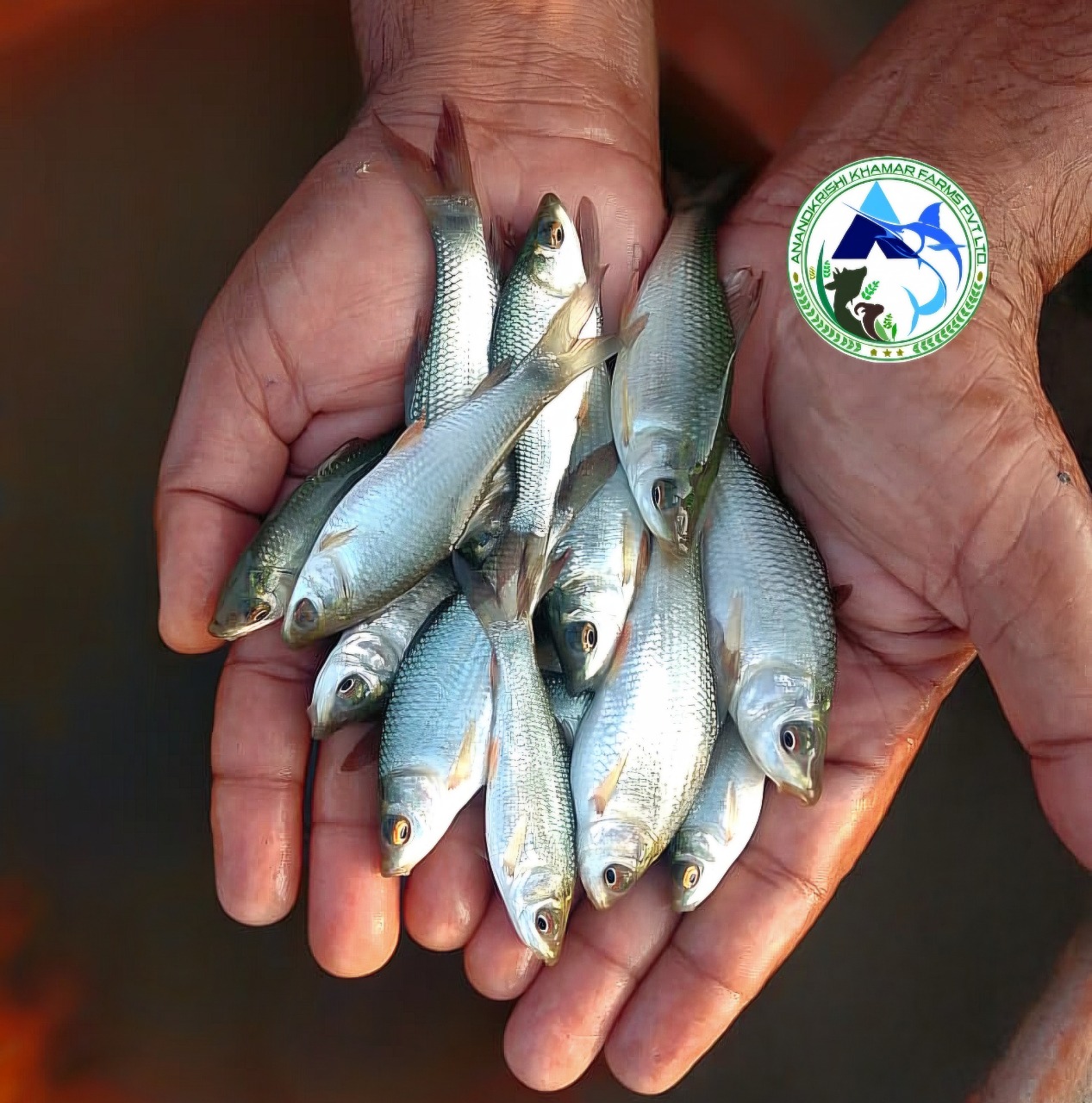
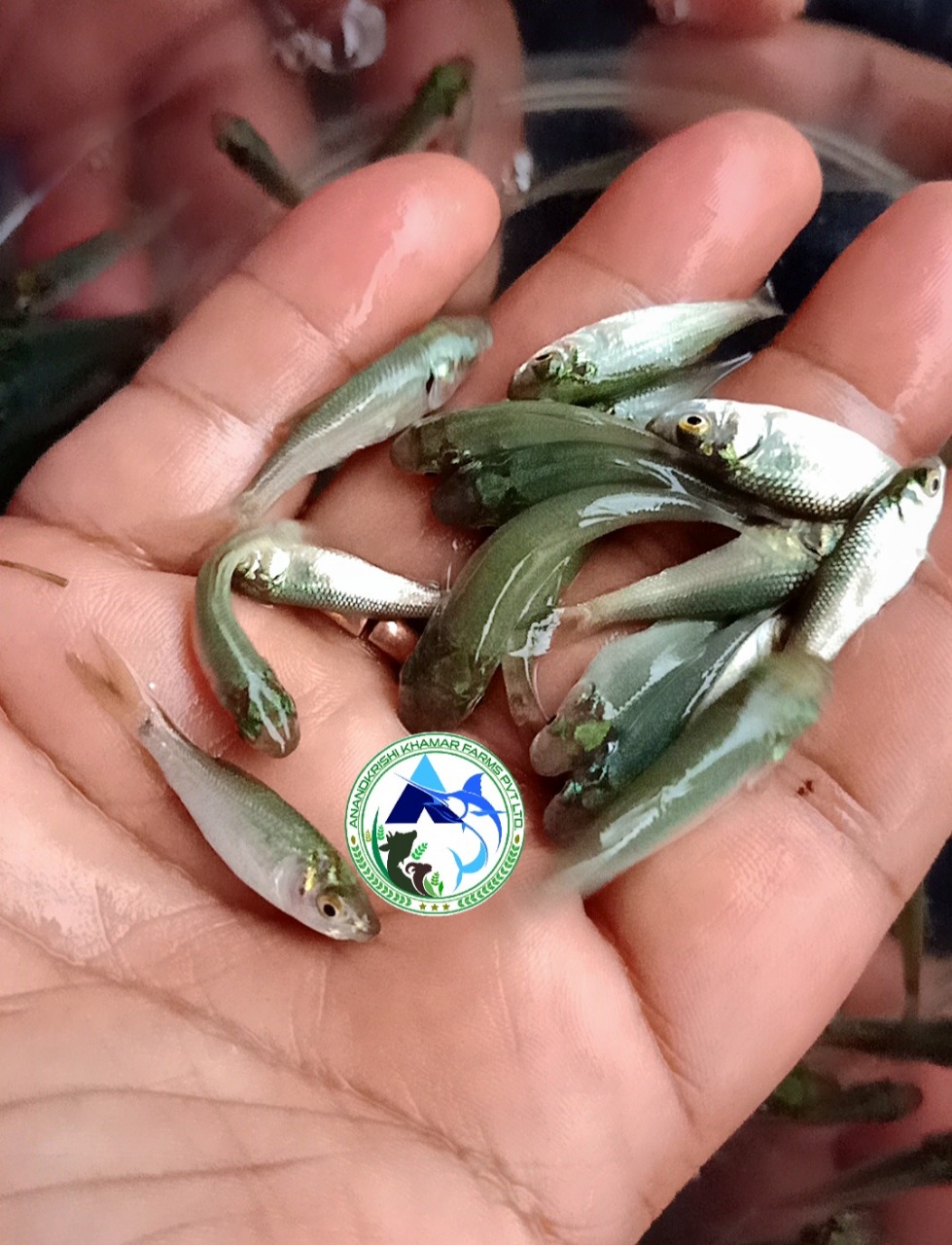
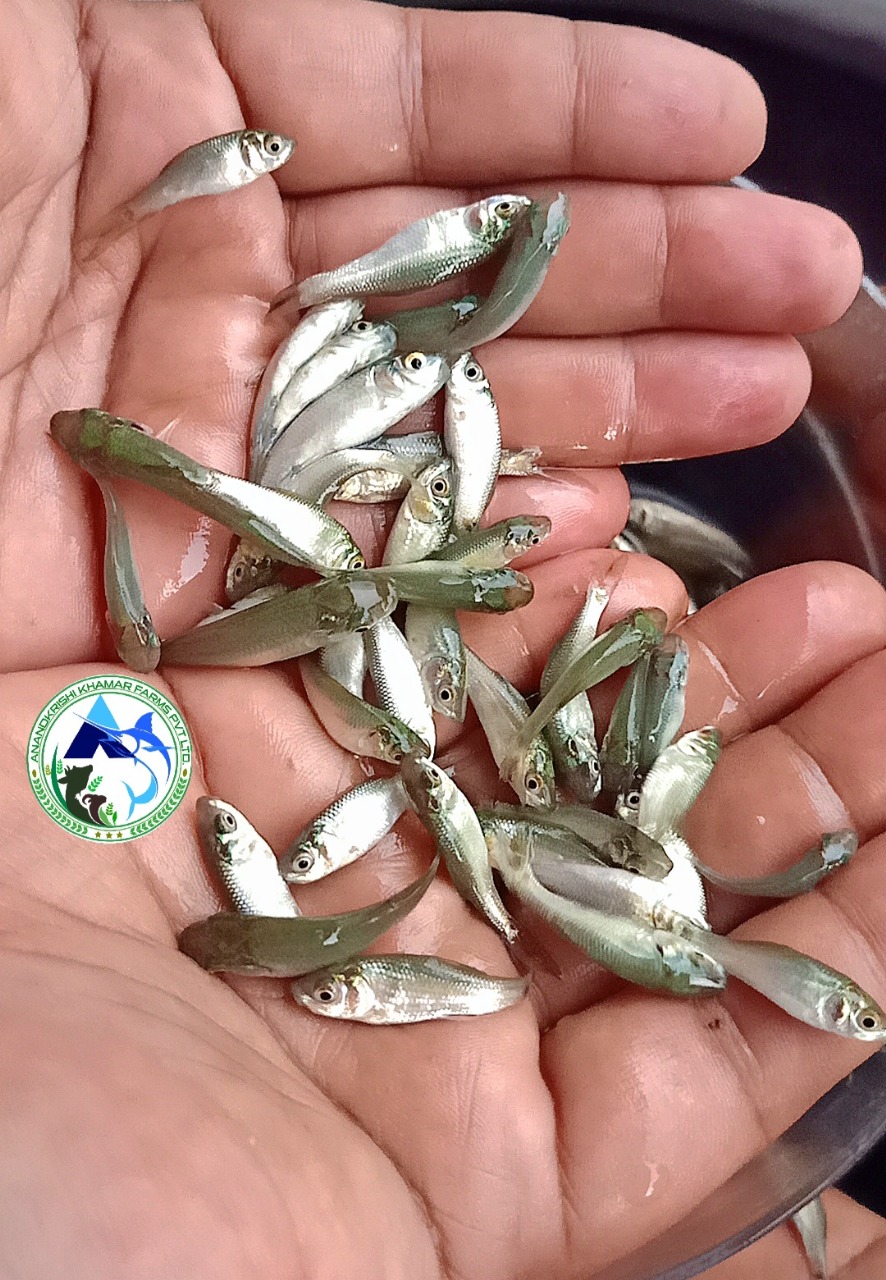
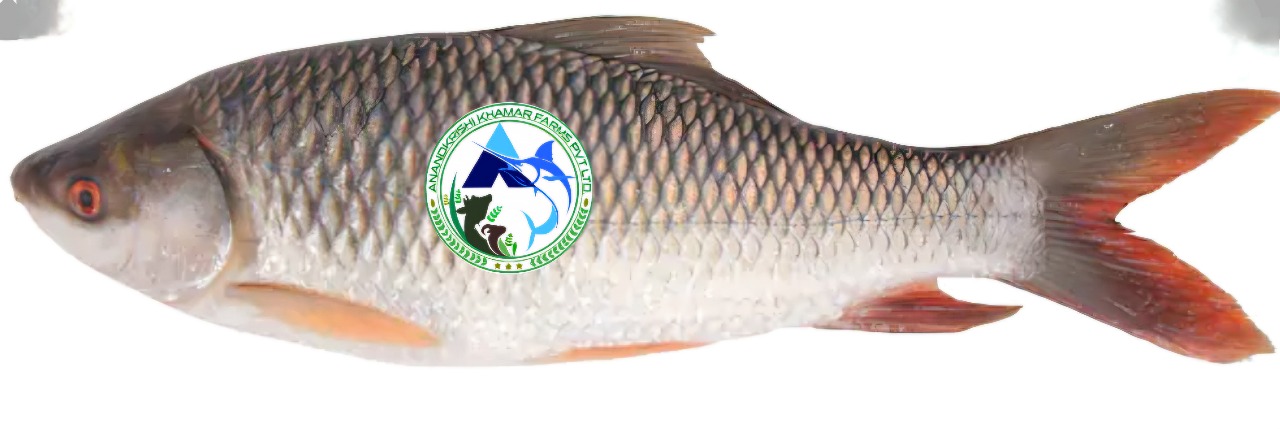
The Rohu, Rui, Ruhi or Roho labeo (Labeo rohita) is a species of fish of the carp family, found in rivers in South Asia. The rohu is an important aquacultured freshwater species in South Asia. When cultured, it does not breed in lake ecosystems, so induced spawning is necessary. It is a large omnivore and extensively used in aquaculture. The rohu is a large, silver-colored fish of typical cyprinid shape, with a conspicuously arched head. Adults can reach a maximum weight of 45 kg (99 lb) and maximum length of 2 m (6.6 ft), but average around 1⁄2 m (1.6 ft). The rohu occurs in rivers throughout much of northern and central and eastern India, Pakistan, Vietnam, Bangladesh, Nepal and Myanmar, and has been introduced into some of the rivers of Peninsular India and Sri Lanka, The species is an omnivore with specific food preferences at different life stages. During the early stages of its lifecycle, it eats mainly zooplankton, moving onto phytoplankton in later stages of life. Rohu are herbivorous column feeders, eating mainly phytoplankton and submerged vegetation. It has modified, thin hair-like gill rakers, which it uses to feeds by sieving the water.